Showing posts with label science. Show all posts

Friday, March 21, 2025

Why Your Brain Blinds You For 2 Hours Every Day


 Reality is not real. Your world is a prediction. Every sight, sound, and touch you experience is the result of calculations your brain makes before reality even reaches you.
 It fills in gaps, fabricates details, and even alters time itself so you feel like you’re in control.
 But if everything you know is an illusion… what does that say about you? 
What does it mean for your choices? Is there even free will?
 via

Tuesday, February 25, 2025

“Smarter” Dogs Actually Have the Smallest Brains

A recent study found that working dog breeds, known for their intelligence and ability to perform complex tasks, have the smallest brains relative to their body size.


In contrast, toy breeds like Chihuahuas have the largest relative brain sizes, likely due to selective breeding for traits like fear and attention-seeking behavior.
 Read more

Share/Save/Bookmark

Thursday, August 1, 2024

How Long Will Olympics Athletes Break Records?


We can only push the human body to a certain extent until it can no longer surpass the physical limits of what human bodies can do. Olympics athletes have trained all their lives to surpass those limits and that's why we see many records being broken by Olympics athletes. 
But there maybe certain fields which not even the most dedicated and hardest-training athletes can surpass.
 
Share/Save/Bookmark

Thursday, July 11, 2024

Night owls’ cognitive function ‘superior’ to early risers, study suggests

It turns out that staying up late could be good for our brain power as research suggests that people who identify as night owls could be sharper than those who go to bed early. 
Researchers led by academics at Imperial College London studied data from the UK Biobank study on more than 26,000 people who had completed intelligence, reasoning, reaction time and memory tests. They then examined how participants’ sleep duration, quality, and chronotype (which determines what time of day we feel most alert and productive) affected brain performance.
 They found that those who stay up late and those classed as “intermediate” had “superior cognitive function”, while morning larks had the lowest scores.

  Share/Save/Bookmark

Wednesday, July 10, 2024

What is that voice in your head when you read?


 This internal speech is called subvocalization.
 Why humans have developed this habit and what it means for cognition are fascinating topics of scientific study. Subvocalization turns out to reveal a lot about speech, thoughts, and reading.
 
Share/Save/Bookmark

Monday, April 22, 2024

Mutated Strains of Unknown Drug-Resistant Bacteria Found Lurking on ISS


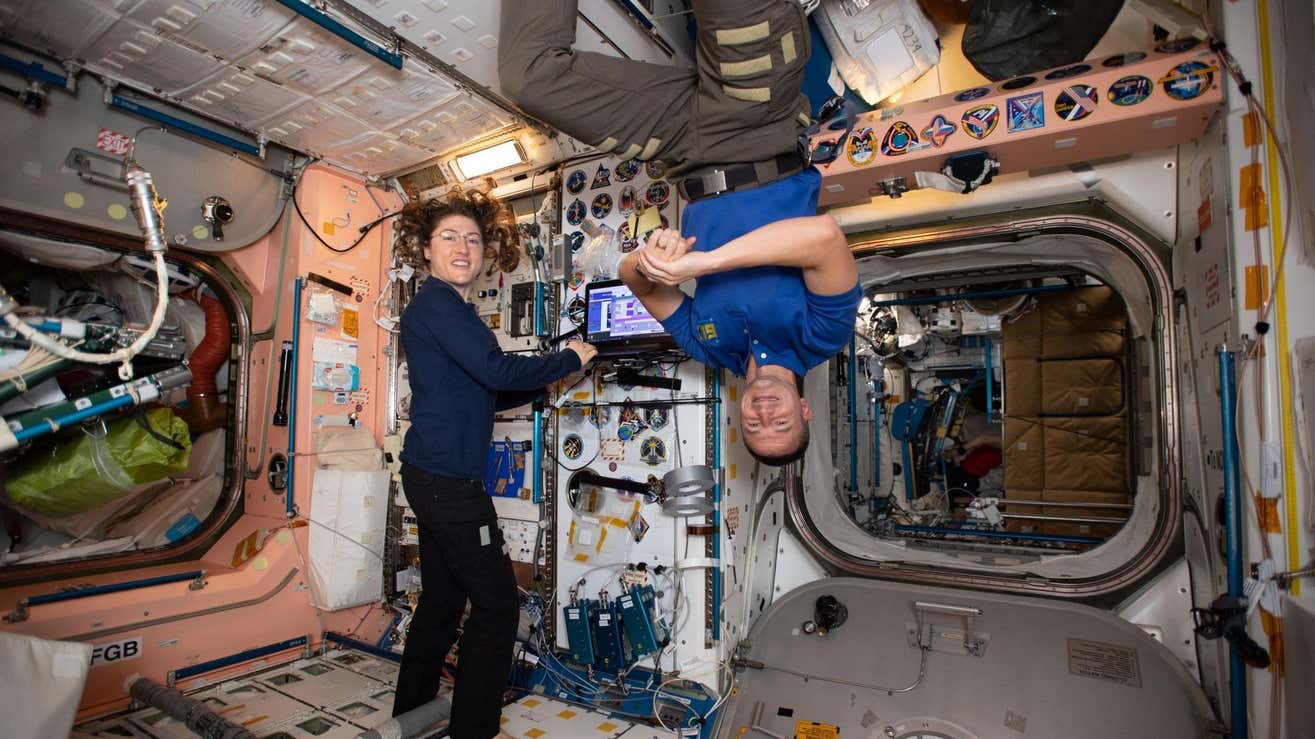
The International Space Station (ISS) is home to crews of astronauts conducting research in low Earth orbit, but it also hosts a group of mutated bacteria that are thriving under the harsh conditions of space. 
 A group of researchers took a closer look at bacterial strains on board the ISS and found that they had mutated to a different form that’s genetically and functionally distinct from their Earthly counterparts. 
In a new study published on PubMed, scientists suggest that bacteria in space becomes more resistant to treatment or drugs, and are able to openly persist in the microgravity environment in abundance.
 
Share/Save/Bookmark

Wednesday, March 13, 2024

Don’t Look Up


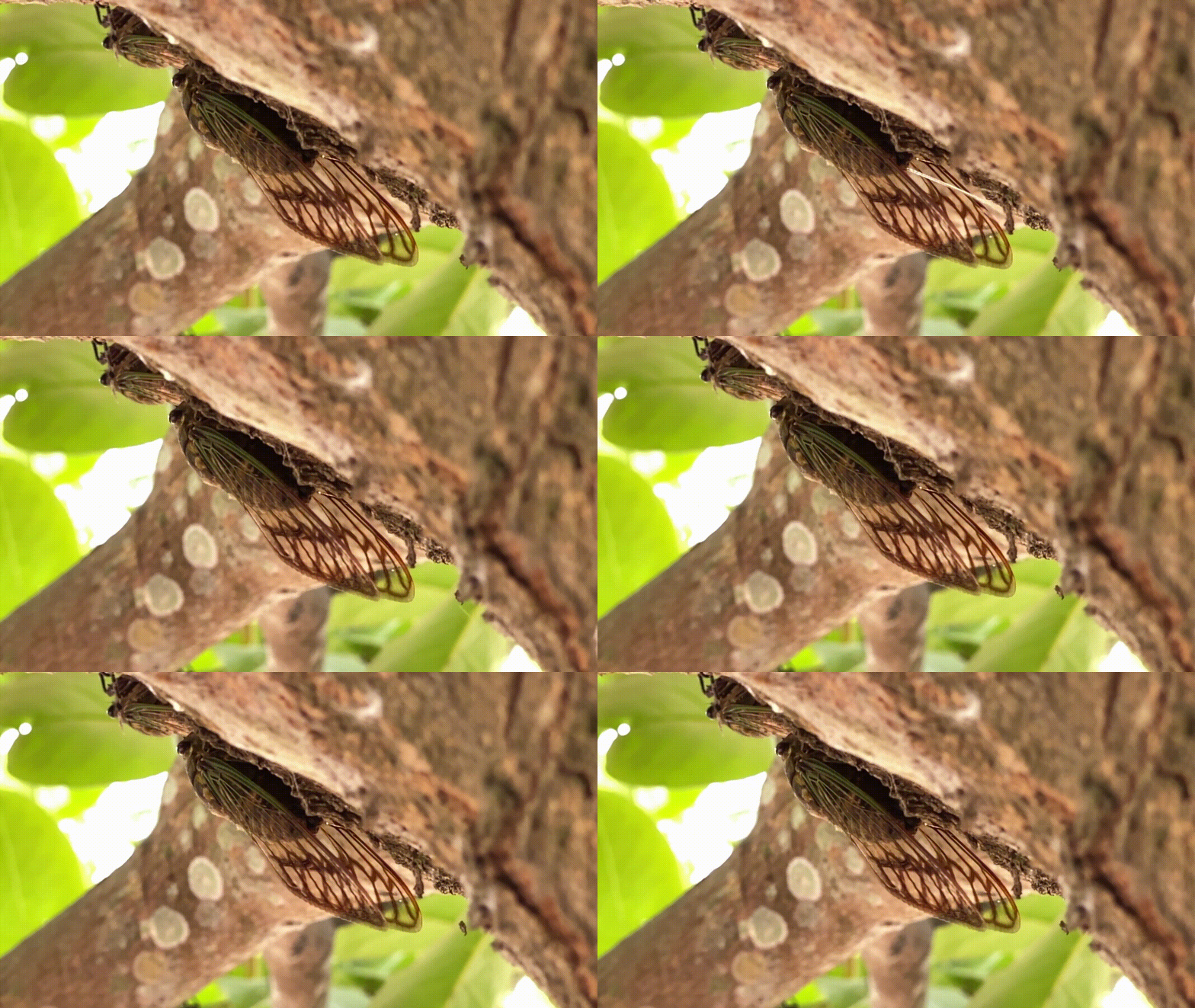
The general rule of thumb for animal urination goes something like this: Big creatures, like elephants and horses, relieve themselves by producing jets of pee, while tiny creatures, like insects, can only make droplets. But cicadas seem to be an exception to this rule: Despite their relatively small size, they pee in high-speed jets like larger animals do, according to observations of the bugs in Peru and Singapore, published Monday in the journal Proceedings of the National Academy of Sciences.
 
Share/Save/Bookmark

Thursday, March 7, 2024

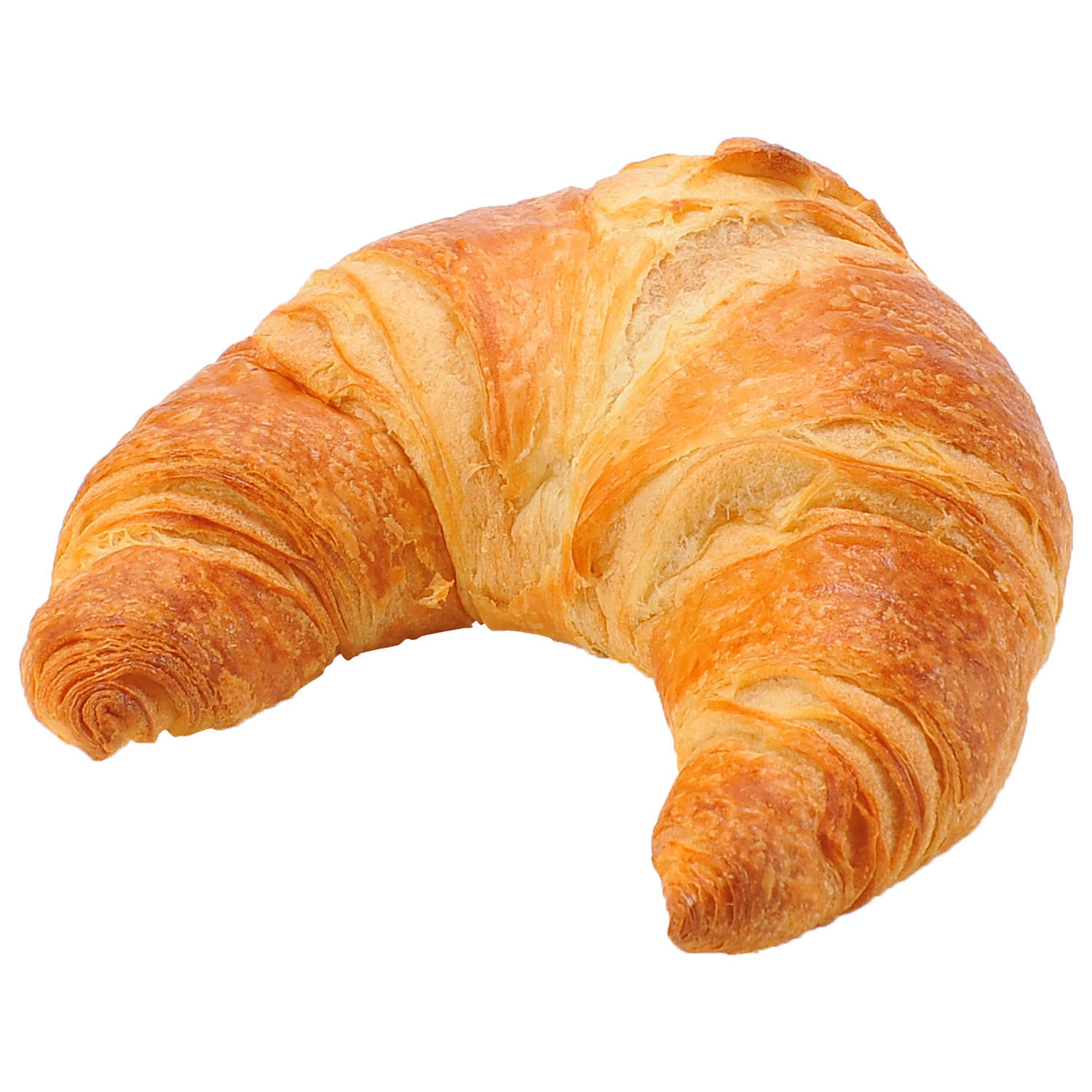
If you want to look your best in the morning, it may be worth swapping the ultra-processed pastries for wholemeal toast.


Researchers in France found that people who ate a breakfast rich in refined carbohydrates were rated less attractive than those who started the day with healthier unrefined carbs. 
 Scientists at the University of Montpellier believe the subtle shift in facial attractiveness may be driven by changes in blood sugar and insulin that can affect skin appearance and have longer-term effects on sex hormones. 

  Share/Save/Bookmark

Monday, February 19, 2024

Middle Schooler Proves Veracity of Archimedes' Death Ray


A middle school student from Ontario has just proven that the mythical heat ray by Greek mathematician Archimedes could be real.
 When tasked with selecting a project for the science fair, 12-year-old Brenden Sener decided to see if this ancient death ray was just a myth or if it could actually work. To do so, he created a miniature version of the apparatus.
 
Share/Save/Bookmark

Thursday, February 8, 2024

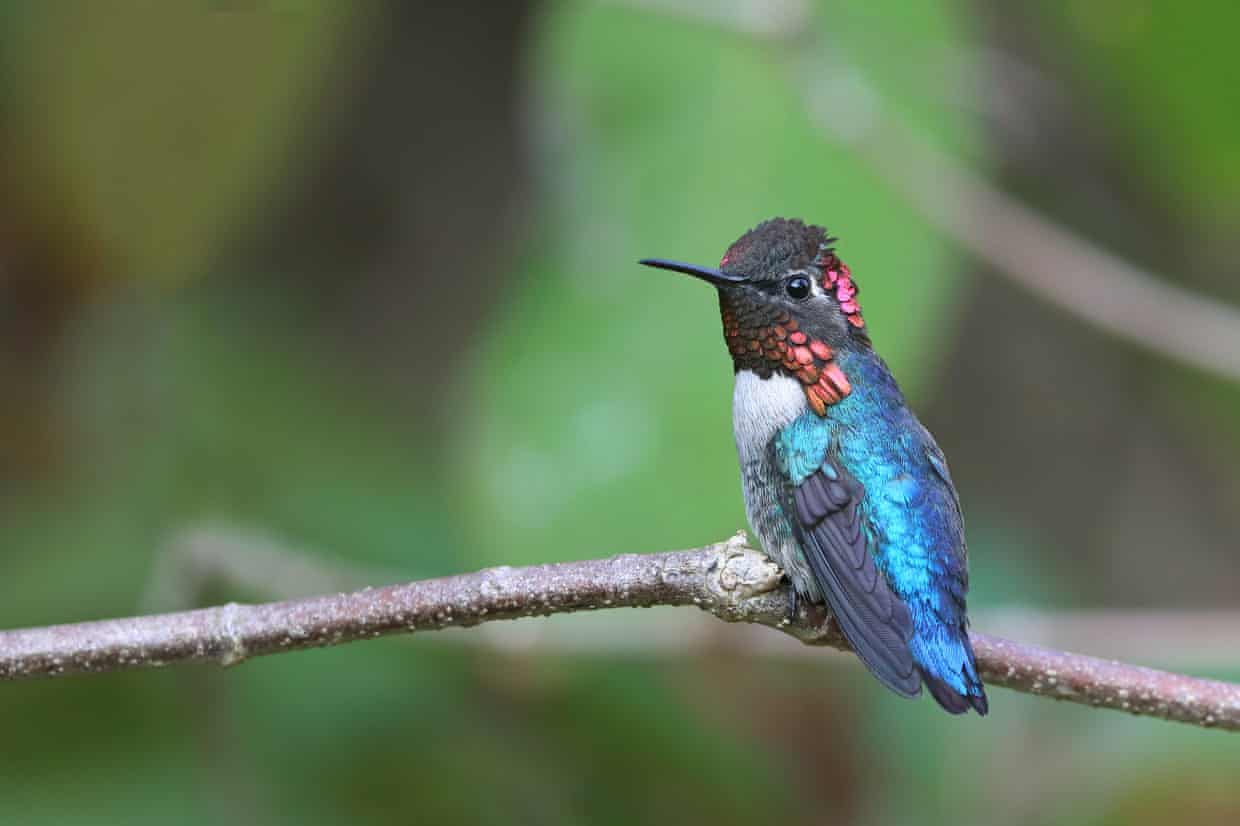
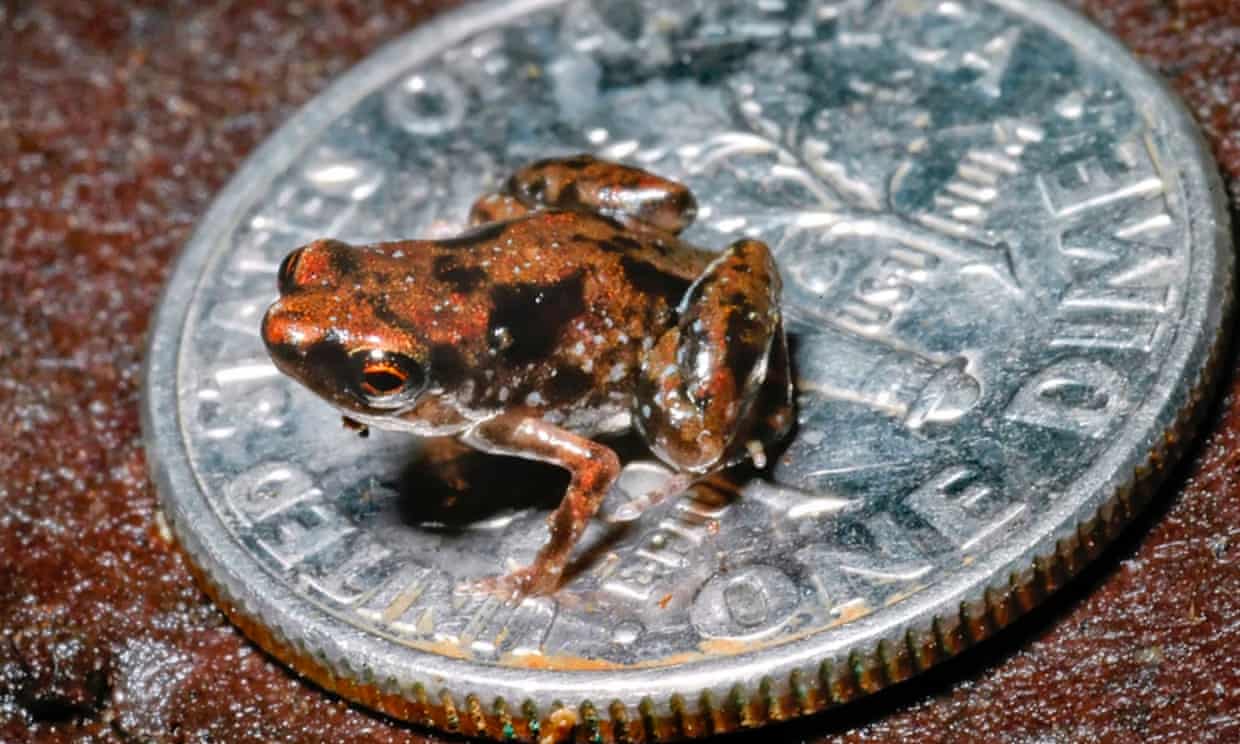
Who’s the smallest of them all?


With much of life on Earth still unknown, scientists are discovering new tiny organisms every year, redefining what is considered the smallest of their kind – and some claims about who is the smallest of them all are hotly contested.
Tiny creatures can sometimes struggle to get the same conservation attention as their larger, charismatic counterparts.

  Share/Save/Bookmark

Friday, January 26, 2024

Plastic Fantastic


Hermit crabs all over the world, which scavenge shells as armour for their bodies, are turning increasingly to plastic waste instead.
The conclusion is based on analysis of photos, taken by wildlife enthusiasts, and published online.
Scientists said they were "heartbroken" to see the extent to which the animals were living in our rubbish.
They said two-thirds of hermit crabs species were pictured in "artificial shells" - items that humans discarded.
The discovery is published in the journal Science of the Total Environment.
Read more
 
Share/Save/Bookmark

Friday, December 29, 2023

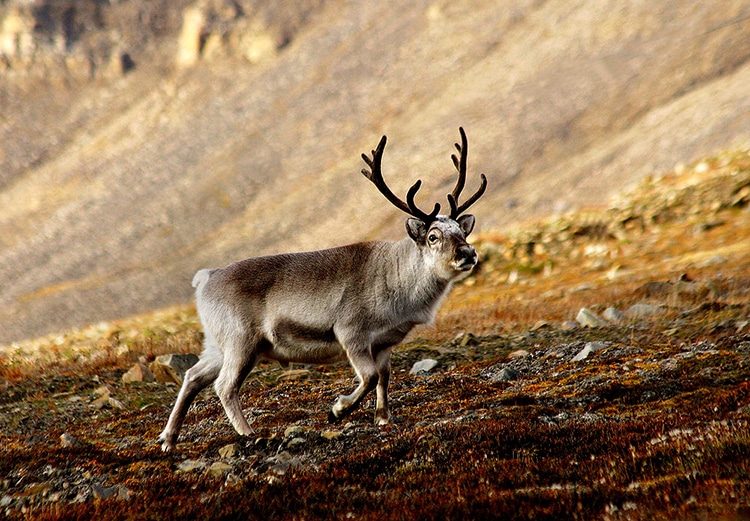
Reindeer can multitask


A recent study in Current Biology discovered the reindeers don't waste any time. Instead of choosing to eat or sleep, they can do both: ruminating over their cud while they rest.
 
Share/Save/Bookmark

Tuesday, December 5, 2023

It's how your brain is wired rather than size that matters.

It's certainly true that Homo sapiens, as a species, have large brains. But what this means is increasingly murky. Evidence from palaeoanthropology suggests that some species, such as the "hobbits" Homo floresiensis and Homo naledi, performed complex behaviours despite having fairly small brains. 
These reports are contentious. However, there is also gathering evidence from genetics and neuroscience that brain size is far from the be-all-and-end-all of intelligence. Instead, changes to the brain's wiring diagram, to the shapes of neurons, and even to when and where certain genes are turned on, are all equally if not more important. Size, as we might have guessed, isn't everything. 

  Share/Save/Bookmark

Monday, November 13, 2023

Is Time Travel Possible?


The ability to jump forward and backwards in time has long fascinated science fiction writers and physicists alike. So is it really possible to travel into the past and the future? 
 
Share/Save/Bookmark

Wednesday, November 8, 2023

The world is set to have been hotter in 2023 than in any other year on record, scientists have declared.

“We can say with near certainty that 2023 will be the warmest year on record, and is currently 1.43C above the pre-industrial average,” said Samantha Burgess, the deputy director of the Copernicus Climate Change Service.
 “The sense of urgency for ambitious climate action going into Cop28 has never been higher.” 
 The Copernicus scientists found last month was the hottest October on record globally, with temperatures 1.7C above what they were thought to have been during the average October in the late 1800s. 

  Share/Save/Bookmark

Wednesday, October 11, 2023

This Fluffy Little Anteater May Be a New Species


Hiking through dense vegetation in Brazil’s Parnaíba Delta, Flávia Miranda stops suddenly and plucks a wheat-colored ball of fur from the tangle of mangrove branches. 
Startled from its slumber, the tennis ball-sized silky anteater raises its forepaws defensively like a boxer. Miranda, a researcher in conservation medicine at the State University of Santa Cruz in Brazil, carefully takes samples of blood and fur, then releases the elusive animal back into the forest.
 Silky anteaters are the smallest anteaters and were the first to evolve, between 30 million and 40 million years ago. Largely solitary and nocturnal, these fluffy little canopy dwellers inhabit low-altitude rainforests and mangroves from southern Mexico to northern Bolivia. 
When they’re not gorging on ants and termites, they spend much of their two-year life span sleeping. Until recently, scientists believed that all silky anteaters belonged to the same species. But in 2017, Miranda and colleagues published an analysis of silky anteater DNA from across the Americas, revealing seven distinct species.
 Now, Miranda is investigating the possibility that the sleepy animal she sampled in the Parnaíba Delta, roughly 175 miles east of the northeastern Brazilian city of São Luís, is a member of an eighth species. 
 
Share/Save/Bookmark

Thursday, October 5, 2023

Could this innovation provide a solution to one of our era’s biggest scourges?


For millennia, humans have used dried natural sponges to clean up, to paint and as vessels to consume fluids like water or honey; we’ve even used them as contraceptive devices. 
Whether synthetic or natural, sponges are great at ensnaring tiny particles in their many pores.
 And, as scientists around the world are beginning to show, sponges’ cavity-filled forms mean they could provide a solution to one of our era’s biggest scourges: microplastic pollution. 
 
Share/Save/Bookmark

Monday, September 4, 2023

Opposites don’t attract

The power of animal magnetism has brought countless couples together, but when it comes to who we fall for, scientists say there’s little truth in the old adage that opposites attract.
 A study on romantic relationships found that for more than 80% of traits analysed – from political views to drug taking and the age at which people first had sex – partners were often remarkably similar. 

  Share/Save/Bookmark

Friday, August 11, 2023

This could be the first confirmed evidence for a fifth force on nature.

According to current understanding, there are four fundamental forces in nature, three of which – the electromagnetic force and the strong and weak nuclear forces – are explained by the standard model of particle physics. However, the model does not explain the other known fundamental force, gravity, or dark matter – a strange and mysterious substance thought to make up about 27% of the universe.
 Now researchers have said there could be another, fifth, fundamental force of nature. 

  Share/Save/Bookmark

Tuesday, August 8, 2023

Air pollution is helping to drive a rise in antibiotic resistance , a global study suggests.

The analysis, using data from more than 100 countries spanning nearly two decades, indicates that increased air pollution is linked with rising antibiotic resistance across every country and continent.
 It also suggests the link between the two has strengthened over time, with increases in air pollution levels coinciding with larger rises in antibiotic resistance. Antibiotic resistance is one of the fastest-growing threats to global health. It can affect people of any age in any country and is already killing 1.3 million people a year, according to estimates. 

  Share/Save/Bookmark