Showing posts with label animal behavior. Show all posts

Wednesday, April 9, 2025

Unlikely Friendship


A woman was amazed when she realized her cat had slipped out the door only to find him relaxing in a tree — while getting "groomed" by a wild bird.
 In reality, the excited bird couldn't believe her good fortune, picking at an unlimited supply of fur for a nest she was building. 
 According to the TikToker who posted the video, the cat made his way up the tree the next day for another round of the spa treatment, while the bird returned for more free building materials.

  more
 
Share/Save/Bookmark

Friday, May 10, 2024

Where do you think you're going?

Photo by Kallol Mukherjee 

Share/Save/Bookmark

Friday, March 22, 2024

Study confirms dogs can understand the meaning of nouns

Dogs understand what certain words stand for, according to researchers who monitored the brain activity of willing pooches while they were shown balls, slippers, leashes and other highlights of the domestic canine world. 
 The finding suggests that the dog brain can reach beyond commands such as “sit” and “fetch”, and the frenzy-inducing “walkies”, to grasp the essence of nouns, or at least those that refer to items the animals care about. 
 
Share/Save/Bookmark

Wednesday, March 13, 2024

Don’t Look Up


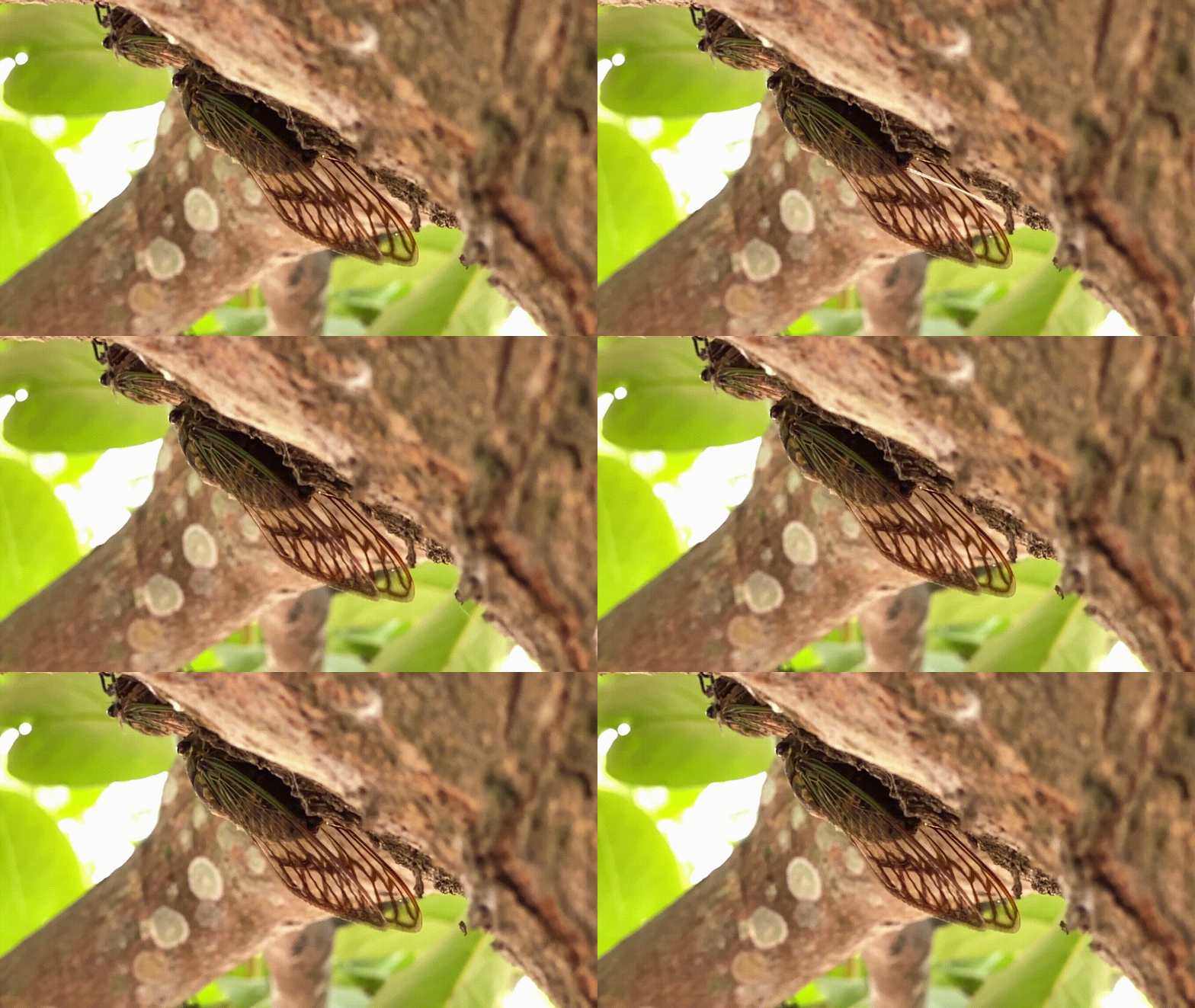
The general rule of thumb for animal urination goes something like this: Big creatures, like elephants and horses, relieve themselves by producing jets of pee, while tiny creatures, like insects, can only make droplets. But cicadas seem to be an exception to this rule: Despite their relatively small size, they pee in high-speed jets like larger animals do, according to observations of the bugs in Peru and Singapore, published Monday in the journal Proceedings of the National Academy of Sciences.
 
Share/Save/Bookmark

Friday, January 26, 2024

Plastic Fantastic


Hermit crabs all over the world, which scavenge shells as armour for their bodies, are turning increasingly to plastic waste instead.
The conclusion is based on analysis of photos, taken by wildlife enthusiasts, and published online.
Scientists said they were "heartbroken" to see the extent to which the animals were living in our rubbish.
They said two-thirds of hermit crabs species were pictured in "artificial shells" - items that humans discarded.
The discovery is published in the journal Science of the Total Environment.
Read more
 
Share/Save/Bookmark

Tuesday, January 9, 2024

Parks Canada has a stern warning for drivers this winter ; "Moose may try to lick your car. Don't let them!"


Apparently, moose seek out additional salt in the winter as they don't get enough of the nutrient from their herbivore diet. In the winter, road salt is applied to highways to reduce skidding. 
The road salt then sprays up onto cars to form a delicious treat for the moose. 
The problem is that it puts the moose at risk of getting hit by a vehicle. 
 
Share/Save/Bookmark

Friday, December 29, 2023

Reindeer can multitask


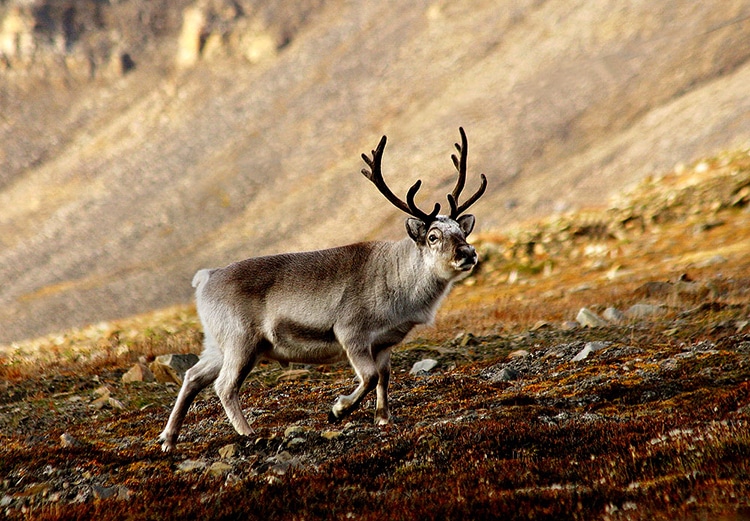
A recent study in Current Biology discovered the reindeers don't waste any time. Instead of choosing to eat or sleep, they can do both: ruminating over their cud while they rest.
 
Share/Save/Bookmark

No pasarán!

Photograph: Rodrigo Garrido/Reuters

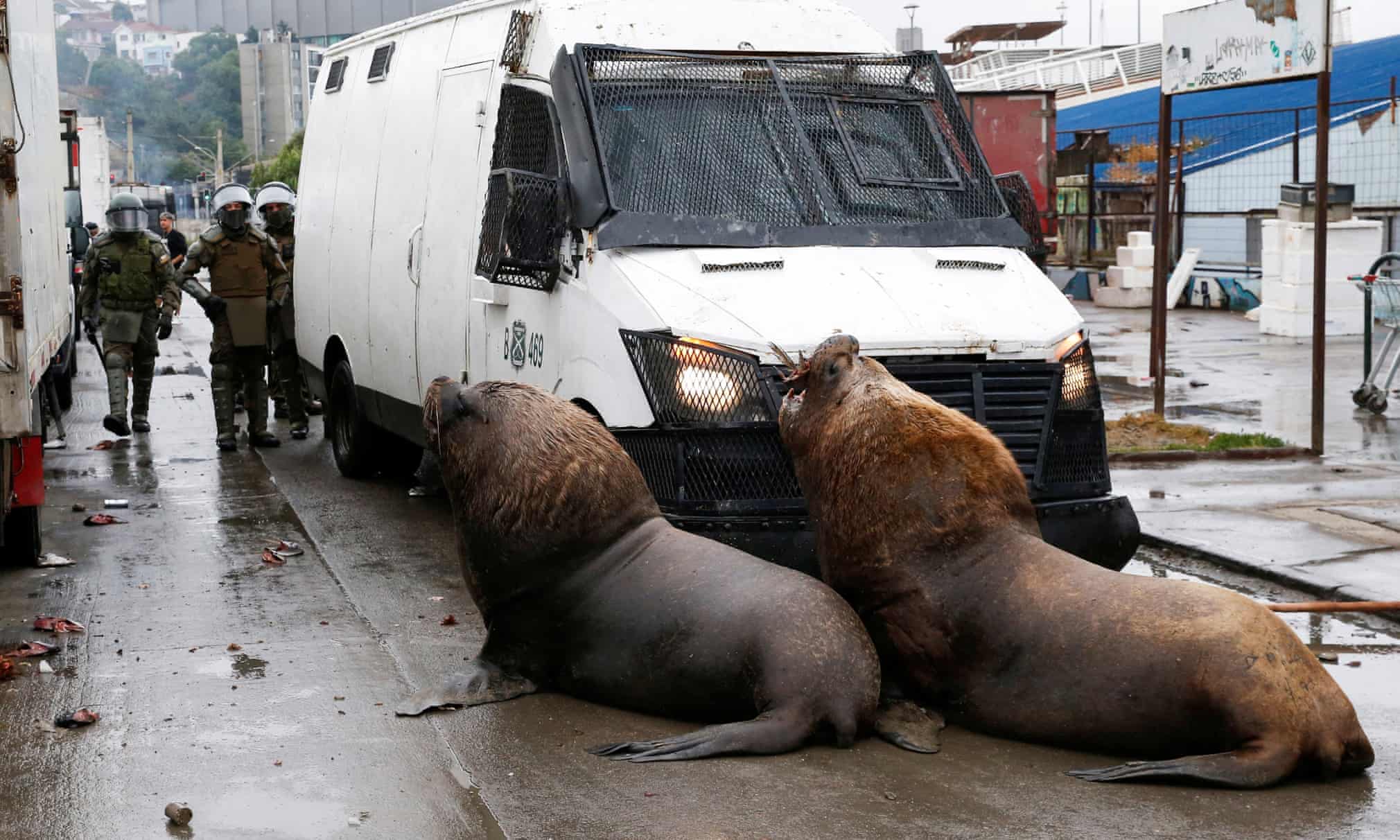
 Sea lions obstruct the path of riot police during clashes with fishers who are protesting against the government after the repeal of the existing fishing law and the non-payment of promised bonuses in Valparaíso, Chile.
 via
 
Share/Save/Bookmark

Thursday, December 21, 2023

“Whatever!”’

Photo by Karen Smith. 
 
Share/Save/Bookmark

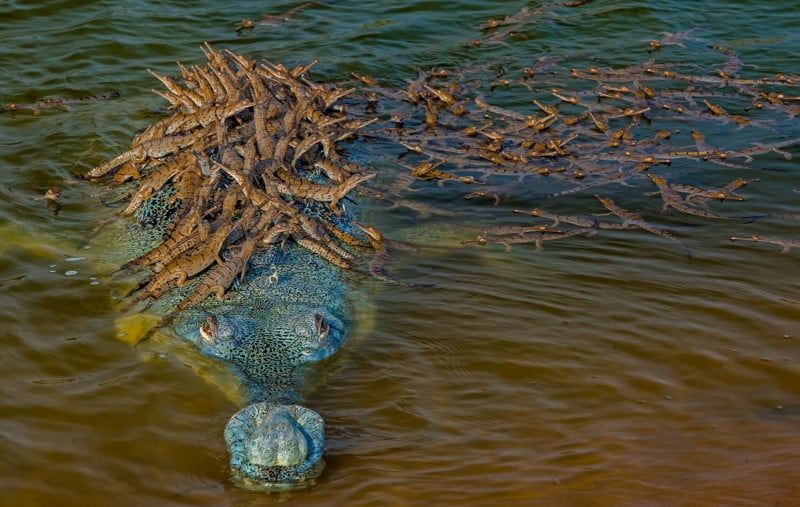
A Crocodile Dad with 100 Babies on His Back


Dhritiman Mukherjee is the wildlife photographer who caught this rare sight on film. 
Getting very close to a gharial crocodile while carrying a hundred of his babies is quite an extraordinary feat in itself as the male crocodile can be very protective of its young and will become aggressive if threatened. 
 The gharial is one of the endangered crocodilian species native to India and Nepal. As of 2017, the IUCN estimates about 650 adult gharials left in the world, although its population trend indicates an increasing number, most likely due to conservation efforts. Just this year, Fort Worth Zoo reported four new gharial babies. Generally, crocodiles will carry their young in their mouths, however, since the gharial's snout is too narrow, the hatchlings ride on their father's back instead. 
The gharial, of which Mukherjee had taken a photo, apparently mated with around 7 to 8 females, which explains why he has 100 babies on his back. 
 via
Share/Save/Bookmark

Tuesday, July 18, 2023

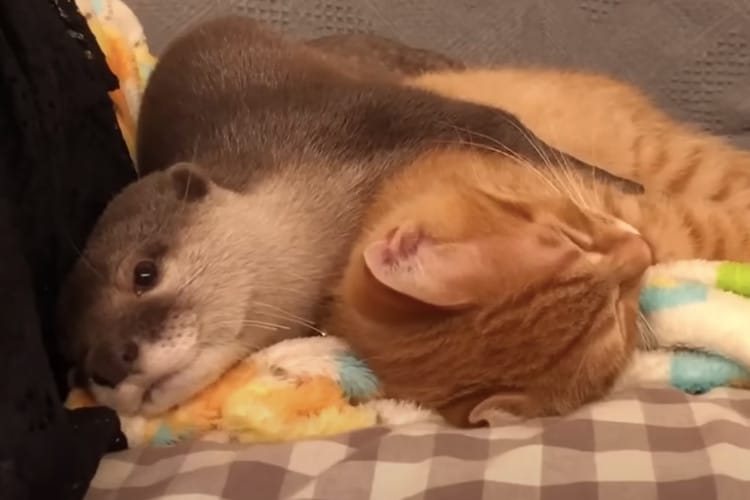
Sometimes all you need is a little cuddle to sleep comfortably.


Sakura is an otter who has found her best friend in an orange cat named Mochi. 
And as if their bond weren't cute enough, they enjoy taking naps together, with Sakura wrapping her arms around her kitty friend to fall sleep. 

Share/Save/Bookmark

Is That Trash Can Really Bear-Proof?


 At the Grizzly & Wolf Discovery Center, Tom Scott learns how some bears escape euthanasia after helping themselves to picnic baskets or garbage.
 If they go to live here, they are put to work testing bear-resistant coolers and trash receptacles.

Tuesday, July 11, 2023

Ellie, an 11-year-old Goffin’s cockatoo, video chats with a friend.


Matthew Modoono / Northeastern University

 When humans are feeling lonely, we can call or video chat with friends and family who live far away. But, scientists asked, what about pet parrots? 
 
Share/Save/Bookmark

Tuesday, June 27, 2023

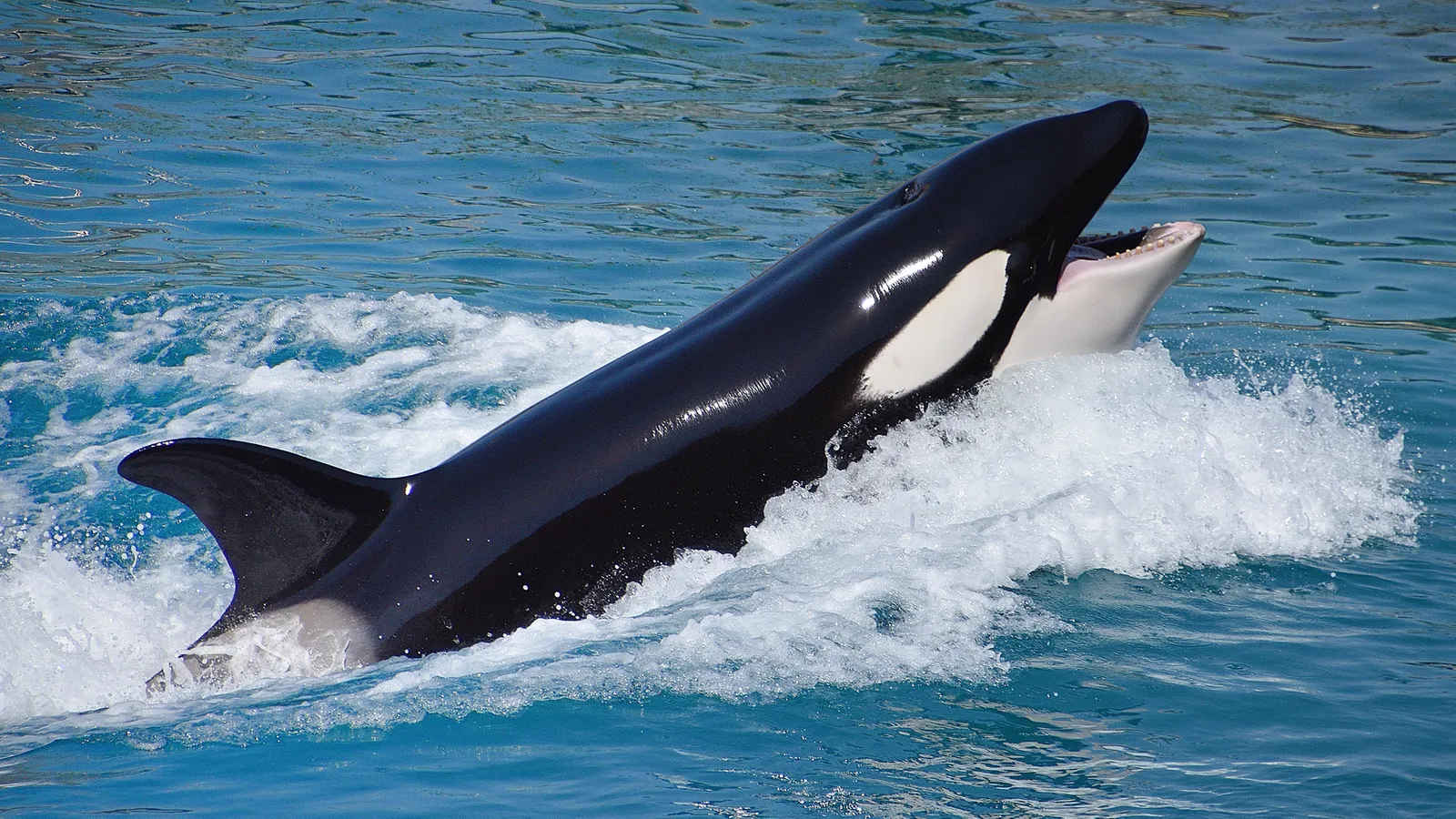
Why are orcas suddenly ramming boats?


Orcas are commonly known as killer whales but are actually part of the dolphin family, and have never been known to be aggressive towards humans in the wild. Since 2020, however, the strange new behaviour of a group of them living in the waters around the Iberian Peninsula, in south-western Europe, has been baffling sailors, scientists and now a global audience. 
The cetaceans appear to have invented a risky new game: It involves chasing sailboats and pushing the rudders, breaking them in the process.
 
Share/Save/Bookmark

Tuesday, May 30, 2023

When Squirrels Attack

Not this squirrel. Photo: Rosario Duva 


 On Monday morning, thousands of residents of the Silicon Valley city of Santa Clara were left without electricity. It seems squirrels were the culprit for the power outage.
 
Share/Save/Bookmark

Tuesday, May 9, 2023

Great Pretender


Photograph: Bernard Castelein/NPL/Alamy 

 The greater racket-tailed drongo, which sports an Elvis-like quiff and loves to mimic other birds. 

Share/Save/Bookmark

Tuesday, April 25, 2023

A Flamboyance of Flamingos


Photo by Mehdi Mohebi Pour.

  Share/Save/Bookmark

Friday, April 14, 2023

Cities Gone Wild, Corey Arnold


Cities Gone Wild is an exploration of three savvy animals – black bears, coyotes and raccoons – that have uniquely equipped themselves to survive and even thrive in the human-built landscape while other animals are disappearing. Arnold tracked these animals in cities across the US to reveal a more intimate view of how wildlife is adapting to increased urbanisation. 

  Share/Save/Bookmark

Wednesday, March 22, 2023

Too much sex on the beach


Extreme polygamy may be driving male southern elephant seals to early deaths, new research suggests. The researchers believe the competitive pressures on maturing males drive them to gain weight as quickly as possible, resulting in lower survival rates because the males forage at sea in areas that may put them at higher risk of predation. “Adult males concentrate their foraging effort in shallower waters. 
These highly productive locations are frequented by other marine predators, such as orcas … and sleeper sharks,” they wrote. 

  Share/Save/Bookmark

Friday, December 16, 2022

Oh Deer!


A stag deer walks through the snow in Richmond Park in south-west London, UK 
Photo by James Manning/PA 
  Share/Save/Bookmark